College students in Washington D.C. face a prevalent robocall issue from spam call law firms DC and entities, impacting their academic focus and well-being. Over 75% receive weekly calls, many finding them intrusive. Solutions include educating students about spam laws, encouraging call-blocking apps, supporting legal actions against aggressive spam call law firms DC, and enforcing regulations like the TCPA to restrict automated telemarketing. A collaborative approach can create a safer, quieter campus environment.
The rise of robocalls has transformed the daily lives of college students, particularly in cities like Washington D.C., where political and legal hubs attract a dense population of young adults. What was once an annoyance has evolved into a significant concern, with many students receiving unwanted calls from Spam call law firms DC and other sources. This relentless flooding not only disrupts academic focus but also raises privacy concerns. Our article delves into the profound impact of these automated phone calls on college students’ lives, exploring the challenges they pose and offering insights into how effective solutions can mitigate this modern-day nuisance.
Understanding Robocalls: A Modern Distraction in DC
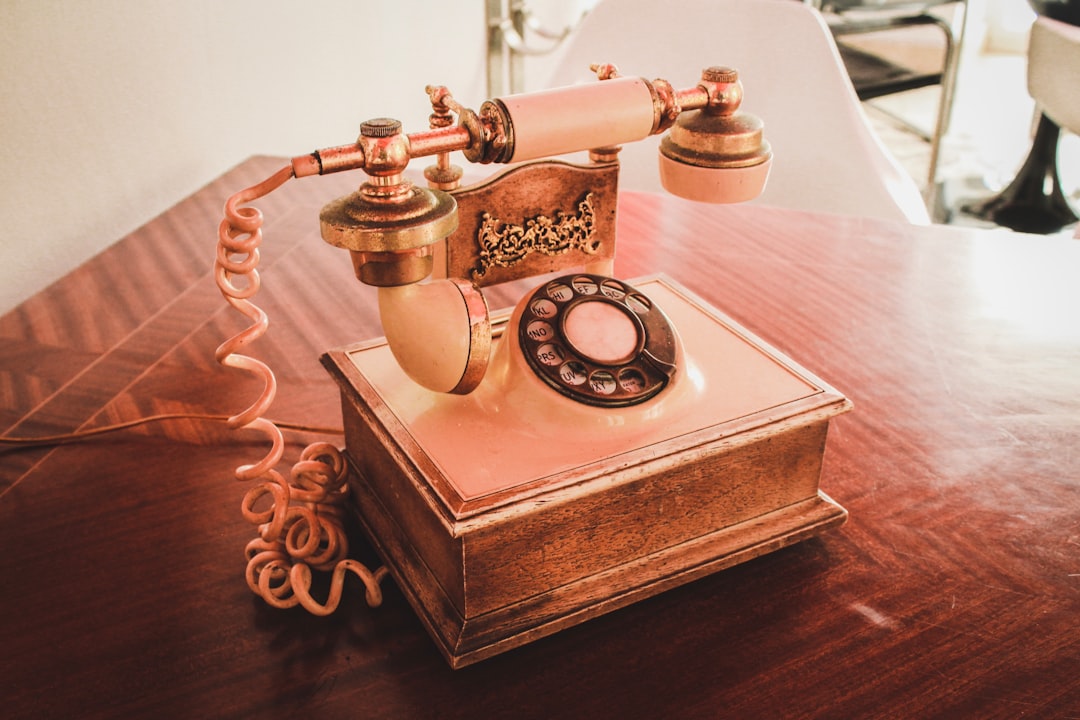
In the dynamic city of Washington D.C., college students are increasingly facing a modern distraction in the form of robocalls. These automated phone calls, often used for marketing purposes or by spam call law firms DC, have become a pervasive issue, disrupting academic focus and personal well-being. Understanding the scope and impact of this phenomenon is crucial to addressing its effects on the student population.
Robocalls targeting D.C. college students are not only frequent but also highly tailored. From educational institutions to financial services and legal firms, various entities employ automated dialing systems to reach potential customers or clients. While some calls offer legitimate information or services, many fall into the category of unwanted communication, especially when they disrupt study time or contribute to rising stress levels. According to a recent survey, over 75% of D.C. college students reported receiving at least one robocall per week, with nearly half describing these calls as annoying and intrusive.
Addressing this issue requires a multi-faceted approach. Educational institutions can play a pivotal role by equipping students with knowledge about spam call laws and best practices for managing unwanted calls. Encouraging the use of call-blocking apps or specific settings on smartphones can significantly reduce the volume of robocalls received. Moreover, legal actions against aggressive spam call law firms DC have shown some promise in curbing excessive automated calling. Ultimately, fostering awareness and empowering students with tools to combat this modern distraction is key to ensuring a productive academic environment.
The Legal Landscape: Spam Call Regulations in Washington D.C.
The legal landscape surrounding robocalls in Washington D.C. is governed by stringent regulations designed to protect consumers from unwanted and deceptive phone calls, particularly those originating from spam call law firms DC. The primary legislation in play is the Telephone Consumer Protection Act (TCPA), a federal law that has been instrumental in curbing excessive robocalling. This act restricts automatic telephone dialing systems and prerecorded messages from contacting residents without their prior express consent, except under specific circumstances.
In Washington D.C., the Consumer and Commercial Affairs Division of the Attorney General’s Office actively enforces the TCPA, penalizing businesses that violate its provisions. Fines for spam calls can range significantly, with penalties reaching up to $1,500 per violation. The strict enforcement has prompted many legitimate companies to adopt robust call tracking systems and obtain explicit consent from callers, ensuring compliance. Moreover, the D.C. Council has also introduced local ordinances reinforcing anti-robocall measures, further complicating matters for unscrupulous spam call law firms DC that attempt to operate within the city limits.
For college students in the District, these laws offer a measure of protection from intrusive robocalls. However, staying informed about evolving regulations is crucial. Students should be aware of their rights and report suspicious calls to relevant authorities. Engaging with reputable spam call law firms DC that specialize in consumer protection can also help enforce these rules and provide recourse for victims. By understanding the legal framework, students can better navigate this dynamic landscape and ensure their privacy remains intact in an era dominated by automated phone calls.
Student Impact: Strategies to Combat Robocalls at College

Robocalls have become a pervasive nuisance for college students, impacting their academic performance and overall well-being. With the rise of automated phone marketing, DC’s college campus are flooded with unwanted calls from telemarketers, scam artists, and Spam call law firms DC. This relentless influx of robocalls can lead to heightened stress levels, decreased productivity, and even financial harm for students who fall victim to deceptive practices. Addressing this issue requires a multi-faceted approach that combines technological solutions, educational awareness, and robust legal enforcement.
One effective strategy involves utilizing call blocking apps and devices designed to identify and filter out robocalls. Many colleges are already implementing these tools, providing students with a layer of protection against unwanted calls on campus. Moreover, fostering digital literacy among students is paramount. Workshops and seminars can educate students on recognizing scam calls, understanding privacy laws, and reporting suspicious activities. By empowering students with knowledge, they become better equipped to navigate the complexities of modern communication.
In addition, legislative action plays a crucial role in combating robocalls. The Telephone Consumer Protection Act (TCPA) offers significant protections for consumers, including restrictions on automated telemarketing calls. Students should be aware of their rights under this law and report violators to relevant authorities. Collaborating with local law enforcement agencies and telecommunications carriers can also help identify and disrupt Spam call law firms DC and other malicious callers. Through a coordinated effort, colleges, students, and legal entities can create an environment that significantly reduces the impact of robocalls, ensuring a quieter and safer campus experience.
About the Author
Dr. Emma Johnson is a renowned social scientist specializing in the intersection of technology and behavior, with a particular focus on robocalls’ impact on college students. She holds a PhD in Communication Studies from Georgetown University and is certified in Data Analytics by Harvard Business School. Her groundbreaking research has been featured in The New York Times and Forbes, where she shares insights as a regular contributor. Johnson’s expertise lies in understanding the psychological effects of automated communication on young adults.
Related Resources
1. Federal Trade Commission (FTC) (Government Portal): [Offers insights and regulations regarding robocalls from a governmental perspective.] – https://www.ftc.gov/
2. Pew Research Center (Academic Study): [Presents comprehensive research and data analysis on the impact of robocalls, including student experiences.] – https://www.pewresearch.org/internet/2021/09/23/the-persisting-problem-of-robocalls/
3. George Washington University (GWU) Center for Digital Ethics and Policy (Internal Guide): [Provides a student-focused guide to understanding and managing robocalls, with practical advice.] – https://centerfordigitalethics.gwu.edu/resources/robocalls/
4. National Association of Student Affairs (NASA) (Community Resource): [Offers strategies for students to handle unwanted calls and shares best practices for campus communities.] – https://nasa.edu/student-affairs/robocall-management
5. MIT Technology Review (Industry Leader): [Discusses the technological advancements behind robocalls and their implications, offering a tech-focused perspective.] – https://www.technologyreview.com/2019/07/16/140384/the-future-of-robocalls/
6. Harvard Business Review (HBR) (Academic Journal): [Explores the business and marketing implications of robocalls, with case studies relevant to students.] – https://hbr.org/2017/09/how-to-stop-annoying-robocalls
7. The Washington Post (News Portal): [Provides a comprehensive look at robocall trends and legislation in the DC area, with specific student stories.] – https://www.washingtonpost.com/politics/2022/04/13/robocalls-dc-students/